

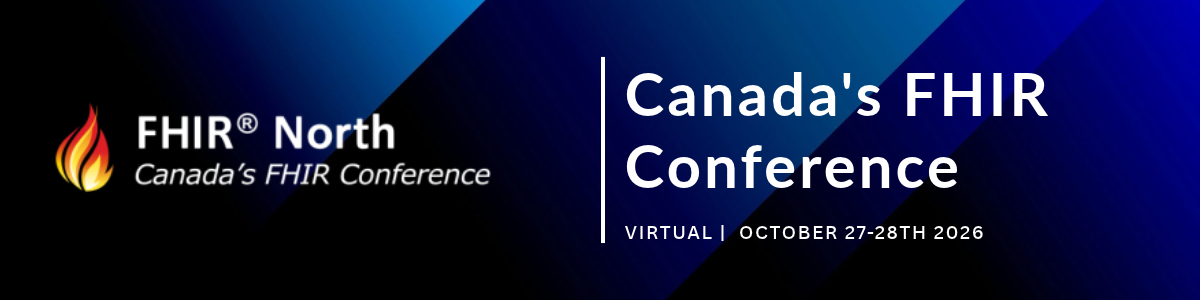
Event details:


IDENTOS will participate in FHIR North 2026, Canada’s conference dedicated to advancing the adoption of HL7 FHIR across healthcare. The virtual event brings together developers, architects, clinicians, digital health leaders, and other stakeholders working on healthcare interoperability and connected data.
This year’s program shifts the conversation from individual FHIR projects toward wider, sustainable implementation. Sessions and hands-on activities will explore how organizations can move from pilots to larger health ecosystems, with attention to implementation, API integration, technical architecture, and real-world use of FHIR.
That move from standards to operational use is closely connected to IDENTOS’ healthcare work. FHIR can enable information exchange between systems, while policy-based access control helps determine who should be able to access that information, under what conditions, and how patient consent and delegated access are applied. Together, these capabilities support more secure and connected digital health services.


